From Concept to Visual Story
Every project begins the same way: with a feeling.
Not a fully formed idea, not a shot list, not even a clear narrative, just a pull. Sometimes it’s a moment I can’t stop thinking about, a dynamic between two people, or a question I don’t have the answer to yet. That feeling becomes the foundation of everything.
1. Defining the Core
Before anything visual happens, I ask myself: what is this really about?
Not on the surface, but underneath.
Is it tension? Desire? Power? Softness? Conflict?
Once I understand the emotional core, the concept starts to take shape. This is where I begin building intention, because every creative decision that follows needs to serve that core idea.
2. Building the World
From there, I start translating emotion into visuals.
What does this feeling look like?
Is it warm or cold?
Is it controlled or chaotic?
Is it intimate or distant?
I think about color, lighting, location, styling, and texture—how each element can reinforce the story. This is where the abstract becomes tangible.
I’m not just creating something that looks good. I’m creating something that feels specific.
3. Directing the Energy
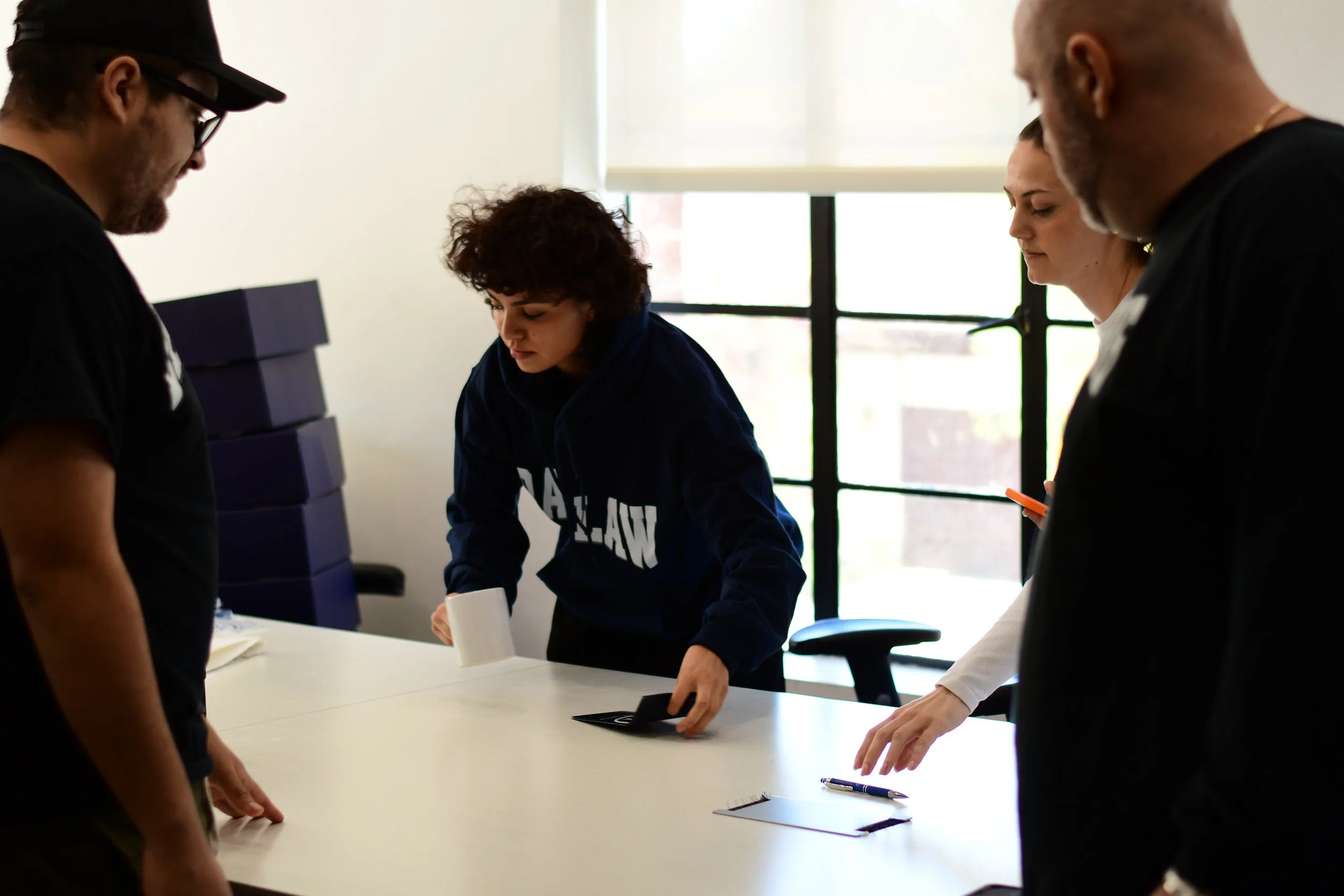
When it comes time to shoot, my role shifts.
It’s no longer just about the idea, it’s about guiding people into it. Directing, to me, is less about control and more about energy. It’s about creating a space where the story can naturally unfold while still holding a clear vision.
Every movement, every pause, every interaction becomes part of the narrative.
4. Finding the Story in the Edit
The edit is where everything sharpens.
This is where I refine pacing, choose what to reveal and what to hold back, and shape the emotional rhythm of the piece. Sometimes the story evolves here—it becomes something slightly different than what I originally imagined, but often more honest.
Editing isn’t just technical. It’s intuitive.
5. Letting It Become What It Is
At a certain point, I stop trying to perfect it.
There’s a moment in every project where it tells me what it wants to be, and my job essentially, is to listen. That’s when it shifts from being something I created to something that exists on its own.
Closing
For me, turning a concept into a visual story isn’t about following a strict process. It’s about translating something internal into something visible, something that other people can feel, even if they don’t fully understand it.
Because at the end of the day, the goal isn’t just to show something.
It’s to make someone feel it.